Intermediate vs. active ingredient
An intermediate is a molecule produced during synthesis that undergoes further chemical change before it becomes the active pharmaceutical ingredient. It is not the finished drug substance and is not administered to patients.
Manufacturers like Zentika Pharma supply these building blocks to drug and formulation companies, who carry out the final steps. Understanding this distinction matters for documentation, quality expectations, and regulatory filing.
Types of intermediates
Bulk drug intermediates feed high-volume generic and innovator programmes. Fine chemicals serve specialised, lower-volume needs with tight purity requirements. Specialty chemicals and cosmetic intermediates extend the same chemistry into adjacent industries.
A capable manufacturer handles complex, multi-step and impurity-sensitive chemistry across all of these — under one quality system.
What to verify before you buy
Confirm purity specs and that a Certificate of Analysis (CoA) accompanies every batch. Ask for MSDS/SDS and Technical Data Sheets, and whether DMF documentation is available for regulated markets.
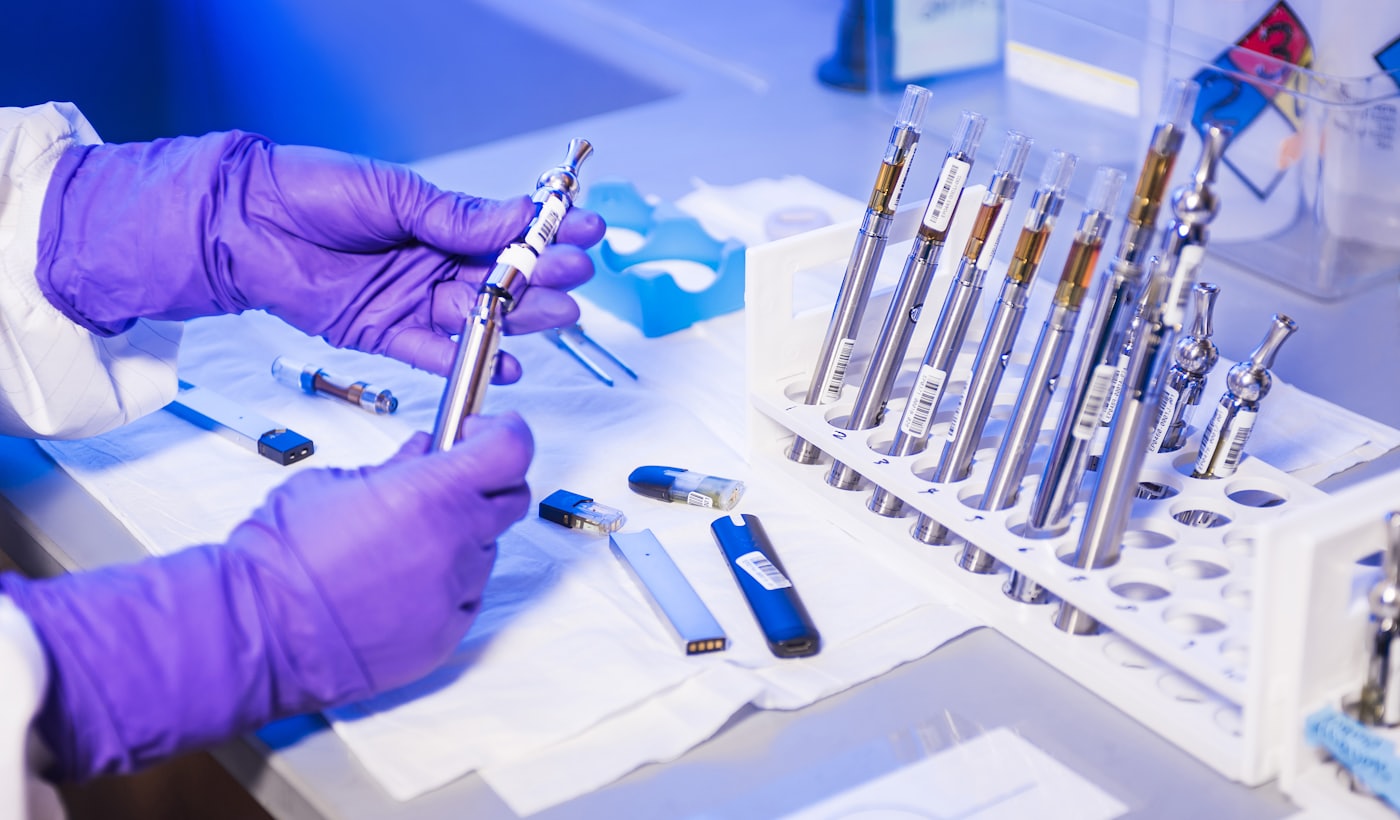
Check manufacturing capacity, reaction capability (the range of chemistries supported), and the quality lab's instrumentation — HPLC, GC, UV-Vis, Karl Fischer, pH and TLC are baseline for credible release testing.
Why it matters for your timeline
The right intermediate partner reduces re-work, supports scale-up from kilo to commercial volumes, and keeps documentation audit-ready. The wrong one introduces impurity surprises and supply gaps late in development — the most expensive time to discover them.